The most useful scan is not the one that sounds certain. It is the one that helps you notice evidence, expose uncertainty, and decide what to inspect next.
Observation
Convert a finding into an observable outcome
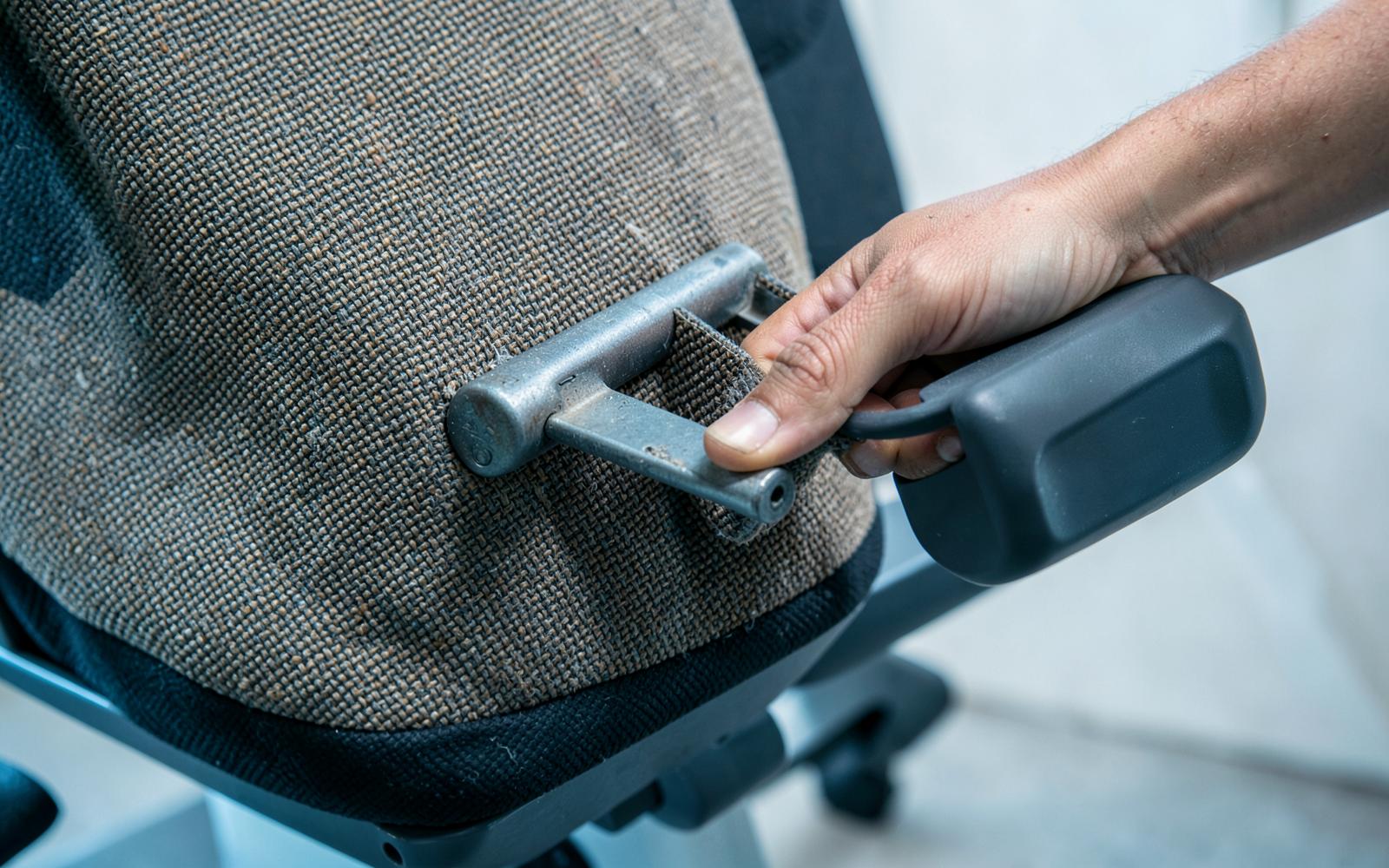
“Research chair” is a topic. “Photograph the underside label in daylight and record the model number” is a task. The second has a clear finish line and creates evidence for the next decision.
Focus the relevant aspect before creating the task so it remains attached to the part of the scan that prompted it.
Observation
Sequence by uncertainty and risk
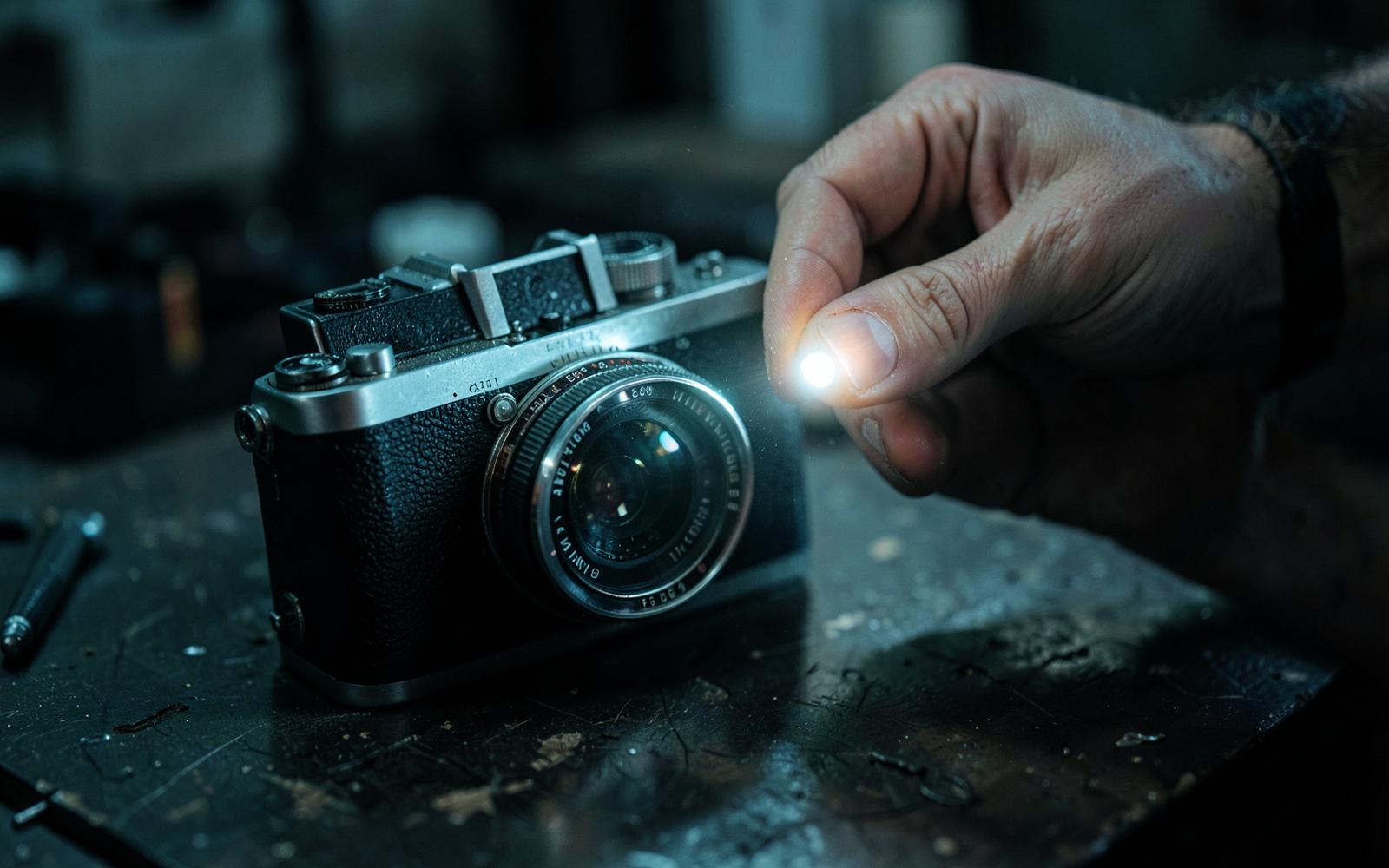
Start with actions that cheaply remove uncertainty: take another photograph, check an official manual, measure a dimension, or ask the seller to demonstrate a function. Delay irreversible work until the object and material are better understood.
Use due dates for genuinely time-bound actions rather than giving every observation artificial urgency.
Observation
Close the loop in the scan record
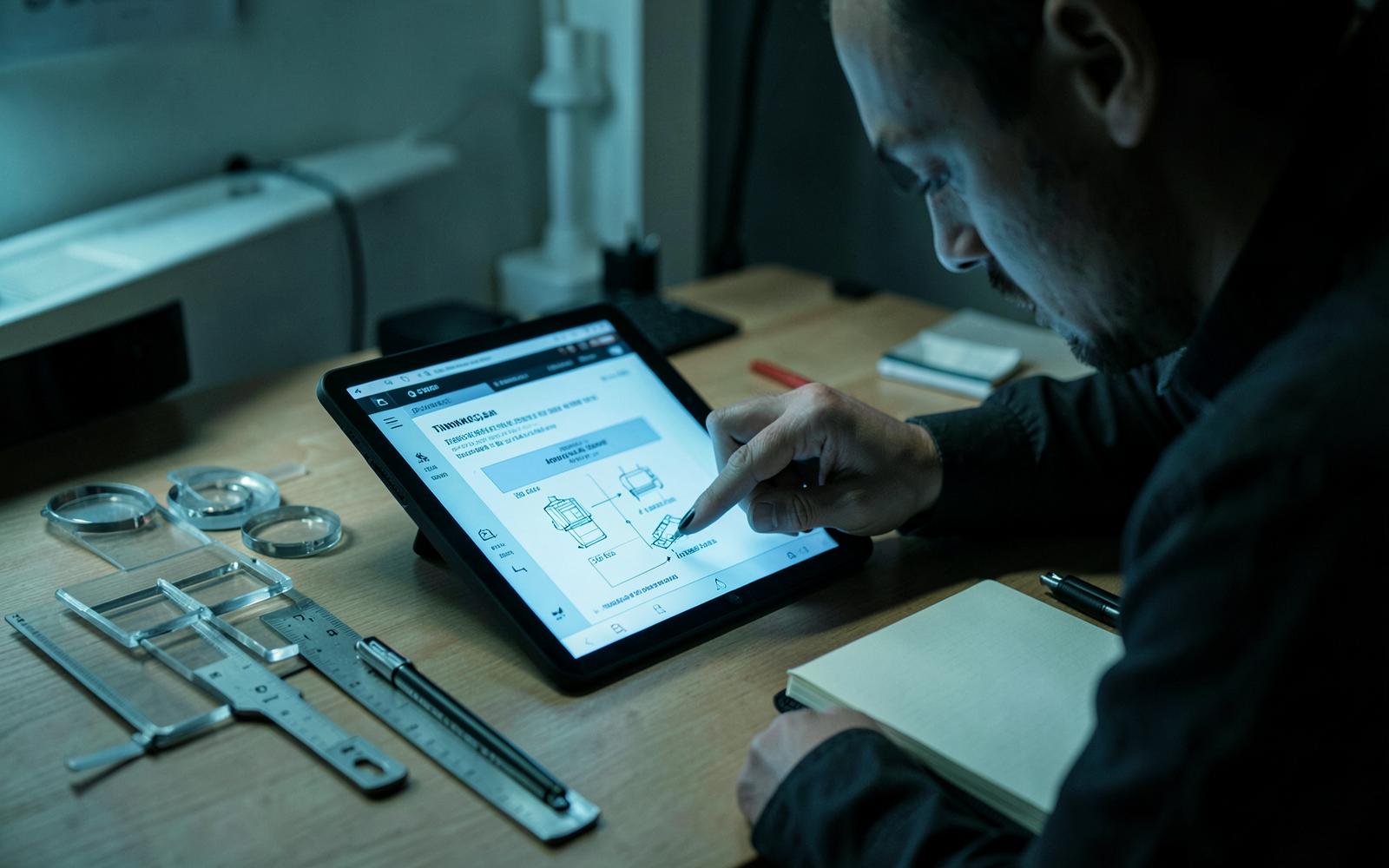
Return to the original record after completing the action. Ask a better follow-up using the new evidence, update your practical conclusion, and check off the task.
The scan then becomes a compact decision trail rather than a one-time answer.
What to remember
- Write tasks around outcomes, not topics.
- Attach each task to the relevant aspect.
- Make verification the first action when confidence is low.
Try this scan
Bring the question to your own image.
“Turn the visible findings into a prioritized list of specific, verifiable next actions.”Open scanner