The most useful scan is not the one that sounds certain. It is the one that helps you notice evidence, expose uncertainty, and decide what to inspect next.
Observation
Separate the material layers
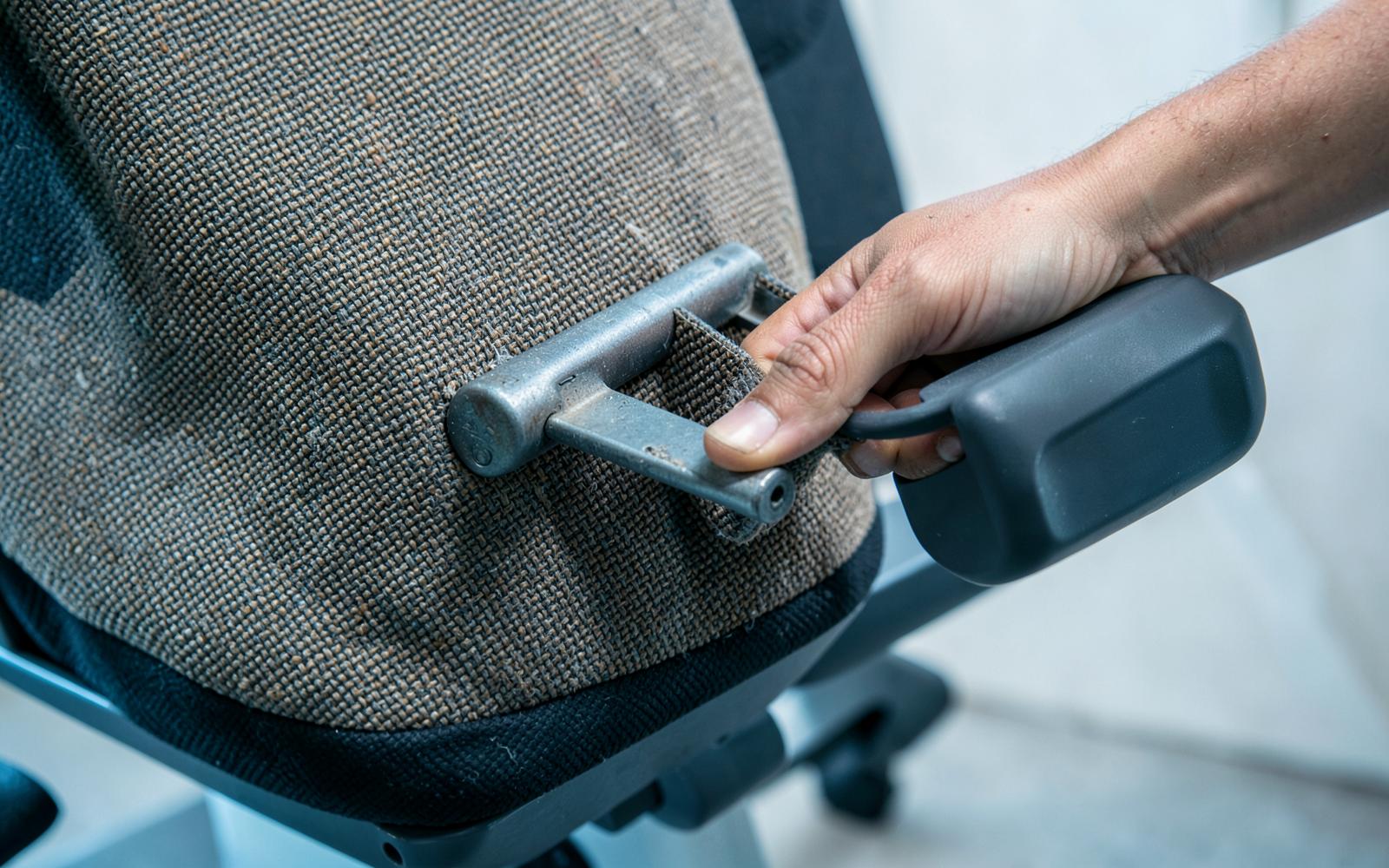
An object described as metal, wood, or fabric is usually a system of materials. A chair may combine woven upholstery, foam, molded polymer, coated steel, plated fasteners, and lubricated mechanisms.
Ask the scan to list visible material zones and the evidence for each. This is more useful than asking for one material label for the whole object.
Observation
Distinguish condition from identity
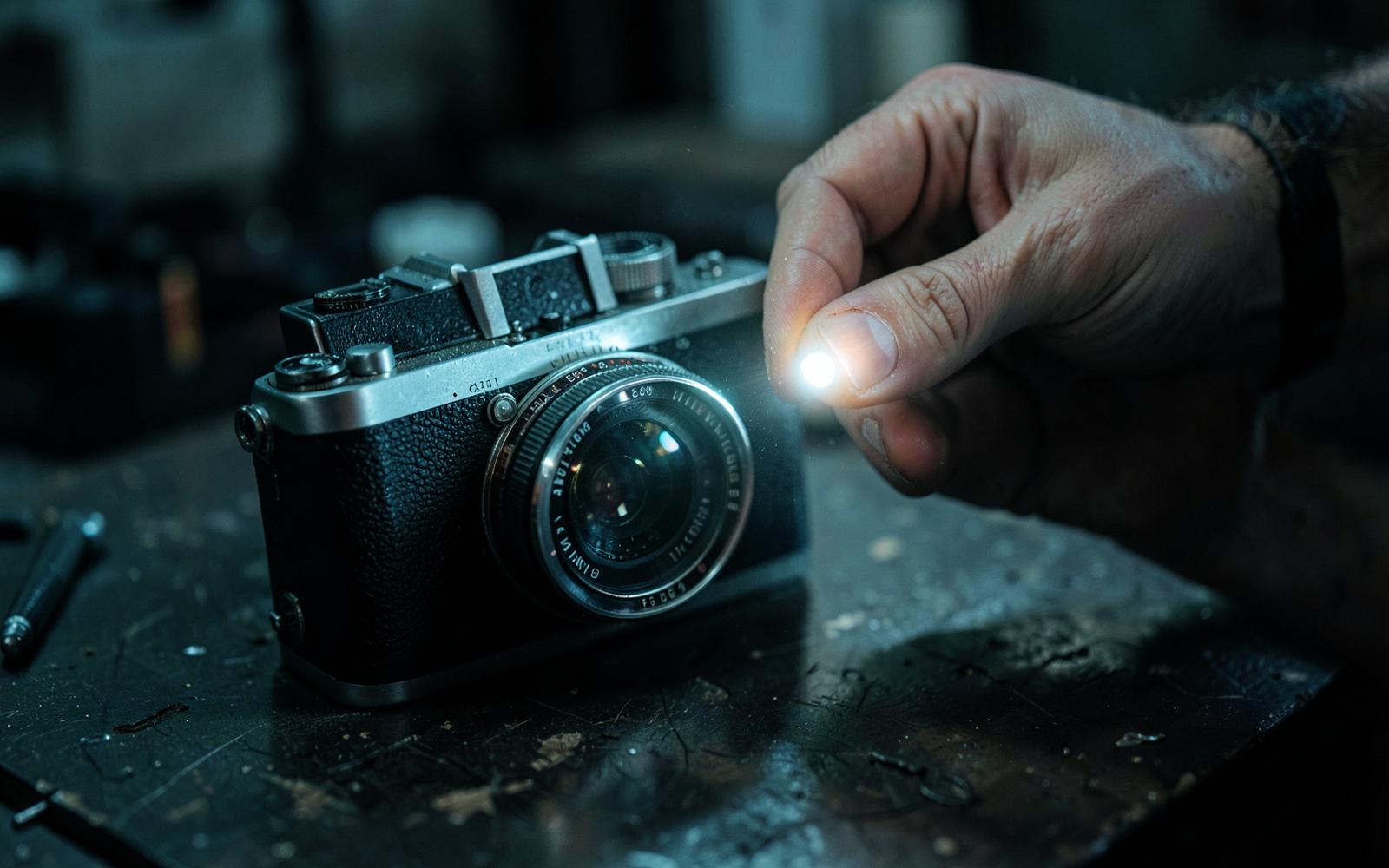
Gloss can come from a coating, polishing, skin oils, or wear. Discoloration may be a stain, fading, corrosion, or a manufacturing variation. Capture the same area from two angles so reflected light does not become the evidence.
Point to the affected region and ask for multiple explanations, including what cannot be determined from an image alone.
Observation
Turn the read into a cautious care plan
Ask for the gentlest reversible step first, the signs that should stop you, and a hidden test area. Save the steps as tasks so observation comes before intervention.
Manufacturer instructions and qualified repair advice take priority, especially for electrical products, structural parts, valuable finishes, or unknown chemicals.
What to remember
- Scan materials as separate aspects.
- Photograph wear in neutral light.
- Test care advice on a hidden area first.
Try this scan
Bring the question to your own image.
“Separate the visible materials and explain what care each may require.”Open scanner